Kenya has two rainy seasons, not one. That distinction carries real weight for anyone planning a trip. The long rains, which run from March through May, and the short rains, which cover October and November, produce different conditions on the ground: different road quality, different wildlife distribution, different camp availability, and different prices. Grouping them together and writing off the entire rainy calendar is a mistake that costs travelers either money or a genuinely good safari.
This guide explains what each season actually delivers, who each suits, and how to read the conditions before you commit to dates.
Long Rains vs Short Rains at a Glance
| Factor | Long Rains (March to May) | Short Rains (October to November) |
|---|---|---|
| Peak month | April | November |
| Rainfall character | Heavy, persistent, often all-day | Lighter, usually afternoon or evening |
| Daily predictability | Irregular | Fairly consistent afternoon pattern |
| Road conditions | Difficult; some tracks impassable | Manageable; main tracks stay open |
| Camp occupancy | Very low | Low to moderate |
| Camp rates | Lowest of the year (40 to 60% below peak) | 10 to 30% below peak |
| Wildlife viewing | Good; animals dispersed across lush terrain | Good to excellent; dry-season concentrations carry over |
| Photography | Dramatic storm skies, vivid green plains | Green and golden contrast; exceptional light quality |
| Best matched to | Budget travelers, landscape photographers | Most safari styles; birders especially |
Kenya’s rainfall patterns vary this dramatically for a simple reason: altitude, not just season. The coast sits low and stays hot and humid year-round, while Nairobi climbs to nearly 1,800 metres and the slopes of Mount Kenya reach over 5,000 metres at the summit. That range compresses several climate zones into one country, which is why a rainy-season safari can mean red mud in the Mara and a completely dry coastline in the same week.
The Long Rains: March to May
Conditions and Timing
The long rains arrive around mid-March and peak through April into early May. Known locally as the masika, this is Kenya’s primary wet season. The rainfall is driven by the Intertropical Convergence Zone as it shifts northward across East Africa.
April is the wettest month. The Masai Mara can receive 170 to 200 millimeters of rain across the month. On heavy days, rain falls for hours at a stretch, sometimes through the night, with brief clear windows in the early morning. By late May, the rains ease considerably and conditions begin improving toward the short dry season.
How the Long Rains Shape Safari
Roads. This is the most significant practical issue. Red murram tracks inside the Masai Mara and on many approach routes from Nairobi become deeply rutted and slippery after heavy rainfall. Ground transfers that normally take three to four hours can stretch considerably longer. Some tracks require vehicle recovery with a tractor. Internal flights between Nairobi and Mara airstrips sidestep this problem and are the smarter logistics choice during April.
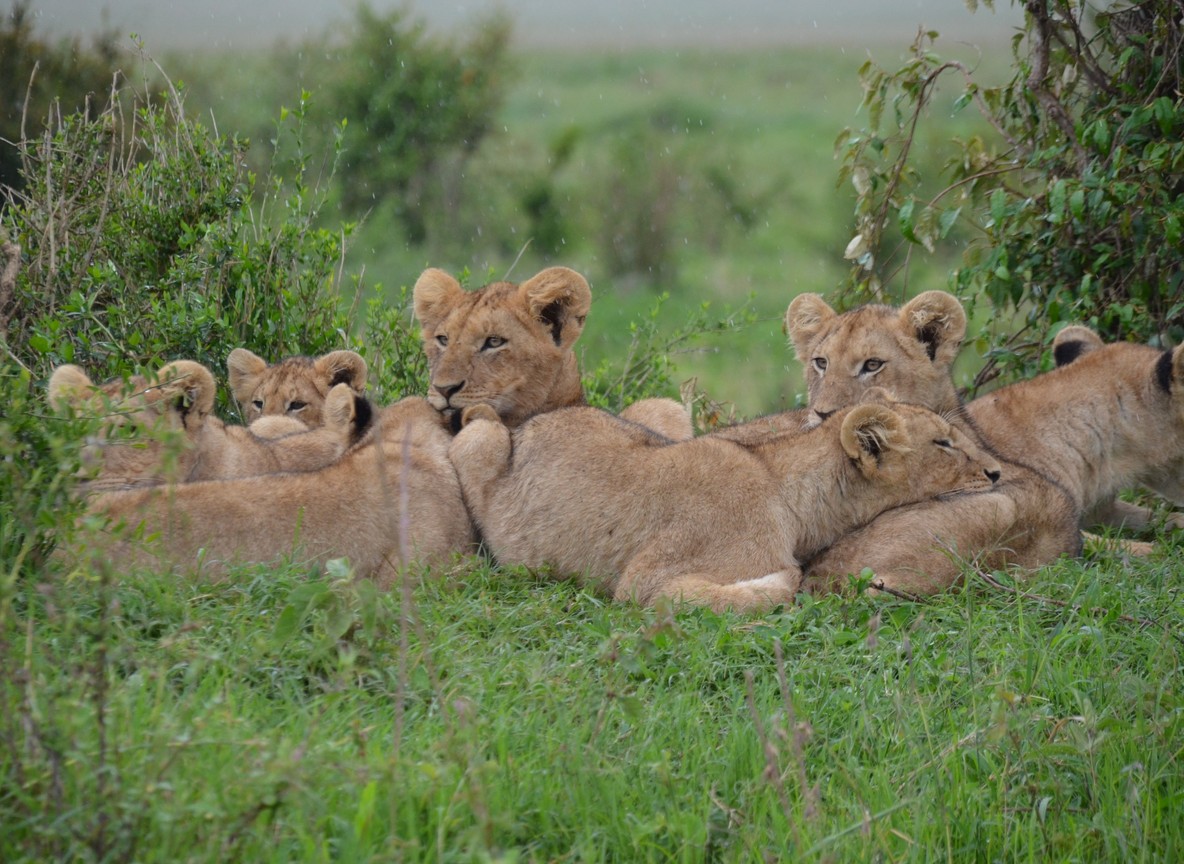
Wildlife viewing. When water is available across the landscape, animals have no reason to concentrate at rivers or waterholes. Resident species, lions, cheetahs, elephants, and buffaloes, remain on the plains year-round, but you will cover more ground to find them. Tall grass also reduces visibility for smaller predators like servals and cheetahs.
The season does offer one consistent draw: newborns. The calving period for many species follows the breeding season, and April and May typically produce large numbers of foals, calves, and fawns on the plains. Predator activity around vulnerable young animals can be high during these weeks.
Camps. Many premium tented camps close for maintenance during April and May. The camps that remain open lower their rates significantly, sometimes 40 to 60 percent below July peaks. The tradeoff is a narrower range of options. Checking operating dates before booking this window is essential.
Photography. Landscape photographers treat the long rains as a productive season. Storm clouds build over the plains at dawn and dusk, lightning appears on the horizon, and the Mara turns vivid green over a matter of days. Rain-washed air creates unusual clarity in the early morning light. For images of dramatic scenics with minimal crowds in frame, April is one of Kenya’s most rewarding months.
Who the Long Rains Work For
The long rains suit travelers who are flexible, budget-conscious, and patient with unpredictable conditions. If you can fly rather than drive into the Mara, the main logistical obstacle disappears. What remains is a quiet, green, dramatically lit safari at the lowest prices of the year.
This period is a poor match for travelers who want reliable road access, a broad choice of camps, consistent weather for outdoor activity, or the high game density that defines the peak dry-season experience.
The Short Rains: October to November
Conditions and Timing
The short rains, called vuli locally, arrive in October and continue through November. The character differs from the long rains in almost every practical respect. Showers fall mainly in the afternoon or evening and typically last a few hours. The morning and midday are often dry and clear. Intensity is lower than the masika, and the ground recovers quickly between events.
October brings the first showers after September’s dry conditions. The Mara transitions from golden to green over a few weeks as new grass growth comes in. November sees more consistent rainfall but remains fully workable for daily game drives.
How the Short Rains Shape Safari
Roads. The main internal tracks in the Masai Mara handle October and November rainfall without serious difficulty. Ground transfers remain viable throughout the period. Some remote conservancy tracks can become soft, but a well-equipped vehicle manages these without major delay. Road access during the short rains is not a significant planning concern.
Wildlife. October is one of the stronger months on the Kenya safari calendar. The dry season’s high resident population carries over into early October, and the grass is greening but has not yet grown tall enough to obscure sightings. The wildebeest that dominated the Mara in August and September are moving south, but significant numbers remain through October.
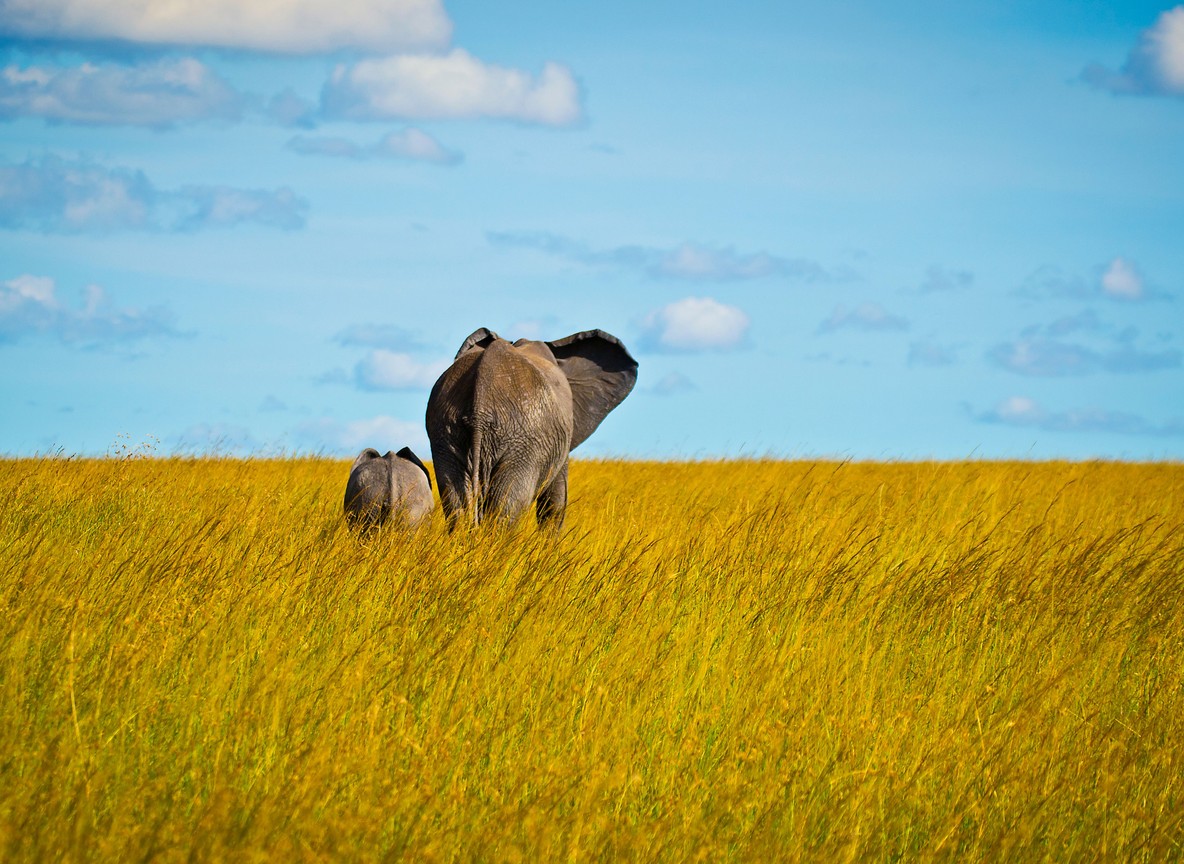
The short rains trigger a feeding surge across the ecosystem. Fresh grass pulls herbivores onto the new growth, and predator activity follows. Elephant families move across open ground. Buffalo herds graze the green margins. The overall activity level across the park is high and sustained through November.
Birdwatching. October and November mark the arrival of migrant species from Europe and Central Asia. Kenya records over 1,100 bird species in total, and the short rains period adds waders, raptors, and passerines to the resident base in large numbers. Dedicated birders consistently rate this as one of the best stretches of the year.
Value. Camp rates during October and November run 10 to 30 percent below the July to August peak. Given the wildlife quality and road conditions available, this is a genuine reduction on a full-quality product, not a discount on a diminished one.
Who the Short Rains Work For
The short rains work well for most safari styles. First-time visitors get strong wildlife without the higher cost of peak season. Photographers get lush scenics with rich afternoon light. Birders get the migrant influx at its height. Travelers who want to keep costs down without trading away the quality of the experience find October and November to be the most practical compromise on the calendar.
Month-by-Month Conditions
| Month | Rainfall Level | Safari Conditions | Camp Rates |
|---|---|---|---|
| March | Building | Good; tracks still firm from the dry season | Moderate |
| April | Long rains peak | Lush terrain; some camps closed; difficult roads | Lowest of the year |
| May | Easing | Improving; a few camps still closed | Low |
| October | Short rains beginning | Excellent; dry-season wildlife still concentrated | 15 to 25% below peak |
| November | Short rains peak | Good; afternoon showers; outstanding birding | 20 to 30% below peak |
Choosing a Kenya Safari in the Rainy Season
Choose the long rains (March to May) if:
- The priority is the lowest possible camp rates
- You are a landscape or storm photographer who wants vivid green terrain and dramatic skies
- You can fly into the Mara rather than transfer by road
- You are comfortable with itinerary flexibility and unpredictable conditions
- You want the Masai Mara largely to yourself
Choose the short rains (October to November) if:
- You want strong wildlife with prices below peak, without significant trade-offs
- Birdwatching is a priority
- You are visiting Kenya for the first time and want reliable, accessible conditions
- You prefer a standard comfort level from camps and roads
- You can book two to three months in advance to secure good camp availability
Consider the dry season instead (July to September or January to February) if:
- Guaranteed sunshine and maximum open road access matter most
- You are planning a once-in-a-lifetime trip and want the safest weather window
- Witnessing the wildebeest river crossings is the central goal of the trip
Explorer Notes
Internal flights during the long rains. The road from Nairobi to the Masai Mara takes three to four hours in dry conditions. During April, that can extend considerably and include a vehicle recovery or two. Wilson Airport in Nairobi connects to several airstrips inside or near the Mara with short scheduled flights. The additional cost is worth the reliability during the masika.
Confirm camp operating dates before April. Several well-regarded tented camps close for the season between April and early June. Some reopen in late May; others wait until July. Checking dates directly with camps, rather than relying on general availability calendars, avoids wasted planning.
October books faster than most travelers expect. Experienced safari-goers know the short rains represent good value, which means October in particular fills up earlier than its off-season reputation might suggest. Booking two to three months ahead is practical for the more sought-after camps.
Grass height affects species-specific sightings. Tall grass in April reduces the chances of spotting cheetahs, servals, and smaller prey species. If those sightings are a priority, the dry season months, when vegetation is low and open, offer better odds. In October, grass is mid-transition and sightings remain good across most species.
Rain gear stays simple. A light waterproof layer and sealed camera bags cover most needs during either rainy period. Heavy-duty rain gear is unnecessary for the short rains. During the long rains, waterproof luggage and sealed camp bags become more relevant, particularly on ground transfers.
A Kenya safari in the rainy season rewards travelers who take the time to understand which season they are actually booking. The short rains need almost no justification: they are an underrated window with genuine safari quality at reduced cost. The long rains ask for more flexibility but pay back in solitude, dramatic scenics, and the lowest prices on the calendar.
For current seasonal forecasts, the Kenya Meteorological Department publishes updated outlooks ahead of each rainy season. Checking those closer to your travel date helps confirm whether patterns are running early, late, or close to average.
Prefer a different route, budget, or travel style? This plan can be adapted to fit.
Customise Your TripFurther reading
More safari planning resources
- Best time to visit Kenya month-by-month map from Valley Safaris
- Masai Mara destination guide on FindMySafari
- Interactive Maasai Mara map from Valley Safaris
- Compare Kenya safari packages on FindMySafari